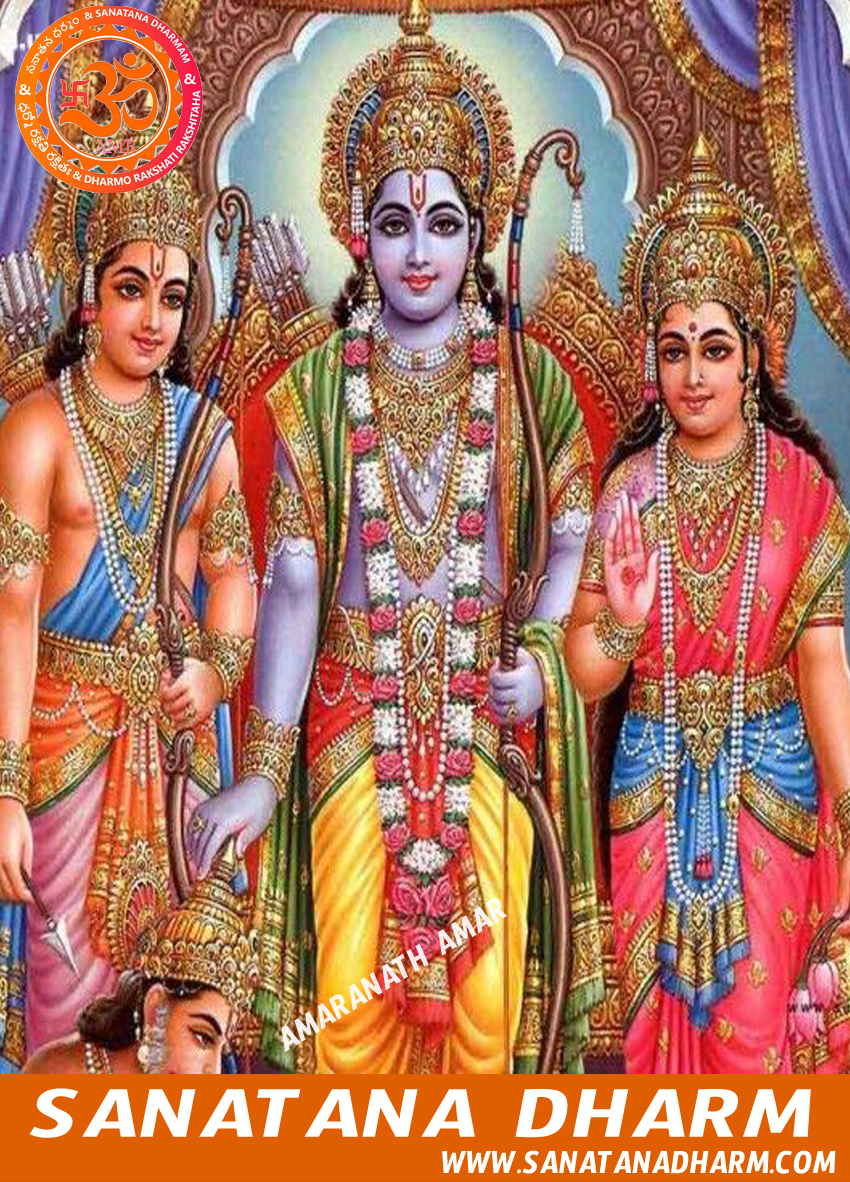
Thereafter, keeping the sandals on his head, Bharata delightfully ascended his chariot along with Shatrughna.
Ayodhya Kanda – Sarga 113 · v2
वसिष्ठो वामदेवः च जाबालिः च दृढ व्रतः |
अग्रतः प्रययुः सर्वे मन्त्रिणो मन्त्र पूजिताः || २-११३-२
Before him, Vasishta, Vasudeva of firm vows, Jabali and all the ministers distinguished for their counsels, went ahead.
वशिष्ठ, वामदेव और जाबालि, जिन्होंने दृढ़ व्रत धारण किया था, सभी मंत्री, जो मंत्रों से पूजित थे, आगे चले।
Ayodhya Kanda – Sarga 113 · v3
मन्दाकिनीम् नदीम् रम्याम् प्रान् मुखाः ते ययुः तदा |
प्रदक्षिणम् च कुर्वाणाः चित्र कूटम् महा गिरिम् || २-११३-३
Them, they advanced eastwards, by the charming Mandakini River, after making a round of Chitrakuta Mountain.
वे तब सुंदर मंदाकिनी नदी के किनारे मुख करके चले। और वे महान चित्रकूट पर्वत की परिक्रमा करते हुए आगे बढ़े।
Ayodhya Kanda – Sarga 113 · v4
पश्यन् धातु सहस्राणि रम्याणि विविधानि च |
प्रययौ तस्य पार्श्वेन ससैन्यो भरतः तदा || २-११३-४
Observing various types of thousands of enchanting rocks, Bharata advanced along with his troops along the side of the mountain.
भरत उस समय अपनी सेना के साथ वहाँ से गुजरे, जहाँ उन्होंने अनगिनत सुंदर और विविध धातुएँ देखीं।
Ayodhya Kanda – Sarga 113 · v5
अदूराच् चित्र कूटस्य ददर्श भरतः तदा |
आश्रमम् यत्र स मुनिर् भरद्वाजः कृत आलयः || २-११३-५
In the vicinity of Chitrakuta Mountain, Bharata saw a hermitage where the sage Bharadwaja resided.
भरत ने तब चित्रकूट के निकट एक आश्रम देखा, जहाँ महर्षि भरद्वाज निवास करते थे।
Ayodhya Kanda – Sarga 113 · v6
स तम् आश्रमम् आगम्य भरद्वाजस्य बुद्धिमान् |
अवतीर्य रथात् पादौ ववन्दे कुल नन्दनः || २-११३-६
Then, that Bharata endowed with understanding reached that hermitage of Bharadwaja, descended from his chariot and bowed down to the feet of Bharadwaja in saluation.
The, Bharadvaja full of joy, enquired of Bharata saying, "O, dear prince! Has your purpose been accomplished? Have you met Rama?"
तब प्रसन्न भरद्वाज ने भरत से कहा, "तात, राम ने भी अपना कर्तव्य पूरा किया और मिल गए।"
Hearing the words of the learned sage, Bharadvaja, Bharata who was affectionate towards his brothers, replied to Bharadvaja (as follows)
भरत ने धीमान भरद्वाज के द्वारा कहे जाने पर धर्म वत्सल भरत ने भरद्वाज से उत्तर दिया।
Ayodhya Kanda – Sarga 113 · v9
स याच्यमानो गुरुणा मया च दृढ विक्रमः |
राघवः परम प्रीतो वसिष्ठम् वाक्यम् अब्रवीत् || २-११३-९
Despite the entreaties of his preceptor and of mine, Rama is unshakeable in his resolve and most cheerfully spoke the following words to Vasishta.
यहाँ संस्कृत श्लोक का सरल हिंदी अनुवाद दिया गया है: जब गुरु वशिष्ठ और मैंने (विश्वामित्र) उनसे (राम से) प्रार्थना की, तब अत्यंत पराक्रमी रामचन्द्र जी बहुत प्रसन्न होकर वशिष्ठ जी से बोले।
"I shall honour the promise of my father scrupulously and reside in the forest for fourteen years as I promised him."
मैं अपने पिता की प्रतिज्ञा का ही पूरी तरह से पालन करूँगा। मेरे पिता ने चौदह वर्षों की प्रतिज्ञा की थी।
Hearing the words of Rama, the highly wise Vasishta, the knower of proper mode of expression, replied to Rama who is the most skilful of orators, in the following great words:
वसिष्ठ जी, जो महाप्रज्ञ और वाक्पटु थे, श्री राम से बोले। उन्होंने श्री राम को, जो स्वयं वाक्यों के ज्ञाता और कुशल थे, एक महत्वपूर्ण वचन कहा।
"O, the extremely segacious prince! Bestow joyfully thse gold-encrusted sandals of yours on us and ensure peace and harmony in Ayodhya."
हे महाबुद्धिमान, ये स्वर्ण से अलंकृत पादुकाएँ, जो अयोध्या में आपके योगक्षेम की रक्षा करती हैं, मैं आपको सादर भेंट करता हूँ।
"Hearing the words of Vasishta, Rama stood up and turning to the East, placed his feet in those sandals and gave them to me as a sign of regency."
वसिष्ठ के ऐसा कहने पर, राम ने आगे मुख करके खड़े होकर, अपने राज्याभिषेक के लिए मुझे सोने की बनी पादुकाएँ दीं।
"Having taken leave of the very high-souled Rama, I turned back after receiving the auspicious sandals. Now, I am proceeding to Ayodhya."
मैं महात्मन राम द्वारा आज्ञा प्राप्त करके अयोध्या लौट रहा हूँ, और अपने साथ शुभ पादुकाएँ ले जा रहा हूँ।
Hearing those auspicious words of the high-souled Bharata, the sage Bharadvaja spoke to him the following words.
यह सुनकर महात्मा भरत के शुभ वचन, महर्षि भरद्वाज ने और भी उत्तम वचन कहे।
Ayodhya Kanda – Sarga 113 · v16
न एतच् चित्रम् नर व्याघ्र शील वृत्तवताम् वर |
यद् आर्यम् त्वयि तिष्ठेत् तु निम्ने वृष्टिम् इव उदकम् || २-११३-१६
"O Bharata the Tiger among men and excellent among those having virtue and good conduct! There is no surprise that a noble trait prevails in you, as naturally as the water allowed to go, always settles downwards."
यह कोई आश्चर्य की बात नहीं है, हे नर व्याघ्र (मनुष्यों में श्रेष्ठ), कि सज्जनता आप जैसे सदाचारी व्यक्ति में वैसे ही निवास करती है, जैसे पानी नीचे की ओर बहता है।
Ayodhya Kanda – Sarga 113 · v17
अमृतः स महा बाहुः पिता दशरथः तव |
यस्य त्वम् ईदृशः पुत्रो धर्म आत्मा धर्म वत्सलः || २-११३-१७
"Your valiant father, Dasaratha, is immortal in having such a son as you are, the knower of righteousness and loving peity."
हे वीर बाहुओं वाले, तुम्हारे पिता दशरथ अमृत के समान हैं। तुम उनके ऐसे पुत्र हो जो धर्म के स्वरूप और धर्म के प्रेमी हो।
Ayodhya Kanda – Sarga 113 · v18
तम् ऋषिम् तु महात्मानम् उक्त वाक्यम् कृत अन्जलिः |
आमन्त्रयितुम् आरेभे चरणाउ उपगृह्य च || २-११३-१८
Hearing the words of that sage, Bharata with his joined palms, touched his feet in salutation and began taking leave from him.
उस महात्मा ऋषि को, हाथ जोड़कर, चरण पकड़कर, बोलने के लिए उद्यत हुआ।
Ayodhya Kanda – Sarga 113 · v19
ततः प्रदक्षिणम् कृत्वा भरद्वाजम् पुनः पुनः |
भरतः तु ययौ श्रीमान् अयोध्याम् सह मन्त्रिभिः || २-११३-१९
Then, the glorious Bharata made circumambulation again and again to Bharadwaja and proceeded to Ayodhya along with hims ministers.
भरत ने भरद्वाज मुनि की बार-बार परिक्रमा करके, मंत्रियों के साथ श्रीमान् अयोध्या को प्रस्थान किया।
Ayodhya Kanda – Sarga 113 · v20
यानैः च शकटैः चैव हयैः नागैः च सा चमूः |
पुनर् निवृत्ता विस्तीर्णा भरतस्य अनुयायिनी || २-११३-२०
Thata extensive army of Bharata, following him with vehicles, carts and elephants, turned back again towards Ayodhya.
भरत की सेना, जो रथों, गाड़ियों, घोड़ों और हाथियों से सुसज्जित थी, विस्तृत होकर वापस लौट आई।
Ayodhya Kanda – Sarga 113 · v21
ततः ते यमुनाम् दिव्याम् नदीम् तीर्त्वा ऊर्मि मालिनीम् |
ददृशुः ताम् पुनः सर्वे गन्गाम् शिव जलाम् नदीम् || २-११३-२१
Thereafter, all of them crossed the charming River Yamuna wreathed with waves and moreover saw the River Ganga with its pure water.
तब उन्होंने यमुना नदी को पार किया और फिर सभी ने शिव के जल वाली गंगा नदी को देखा।
Bharata accompanied by his relative and his army crossed that River Ganga, full of charming waters and entered the beautiful town of Shringibhera. From Shringibhera, he saw Ayodhya again.
वह सुंदर जल से परिपूर्ण नदी को पार करके, अपने बंधुओं के साथ, सुंदर श्रृंगवेरपुर में सैनिकों सहित प्रवेश किया। फिर वह श्रृंगवेरपुर से अयोध्या की ओर बढ़ा।
Ayodhya Kanda – Sarga 113 · v23
अयोध्याम् च ततो दृष्ट्वा पित्रा भ्रात्रा विवर्जिताम् |
भरतो दुह्ख सम्तप्तः सारथिम् च इदम् अब्रवीत् || २-११३-२३
Beholding the City of Ayodhya, which was bereft of his father and brother, Bharata tormented with grief, spoke the following words to the charioteer:
अयोध्या को पिता और भाइयों से रहित देखकर भरत अत्यंत दुखी हुए और सारथी से यह कहा।
"O, Charioteer! See that Ayodhya city, ruined, with a vacant look, joyless, miserable, and with an impeded voice."
हे सारथी, देखो, विध्वंस के कारण अयोध्या अब प्रकाशित नहीं हो रही है। यह निराकार, आनंदहीन और दीन हो गई है, इसकी ध्वनियाँ भी दब गई हैं।